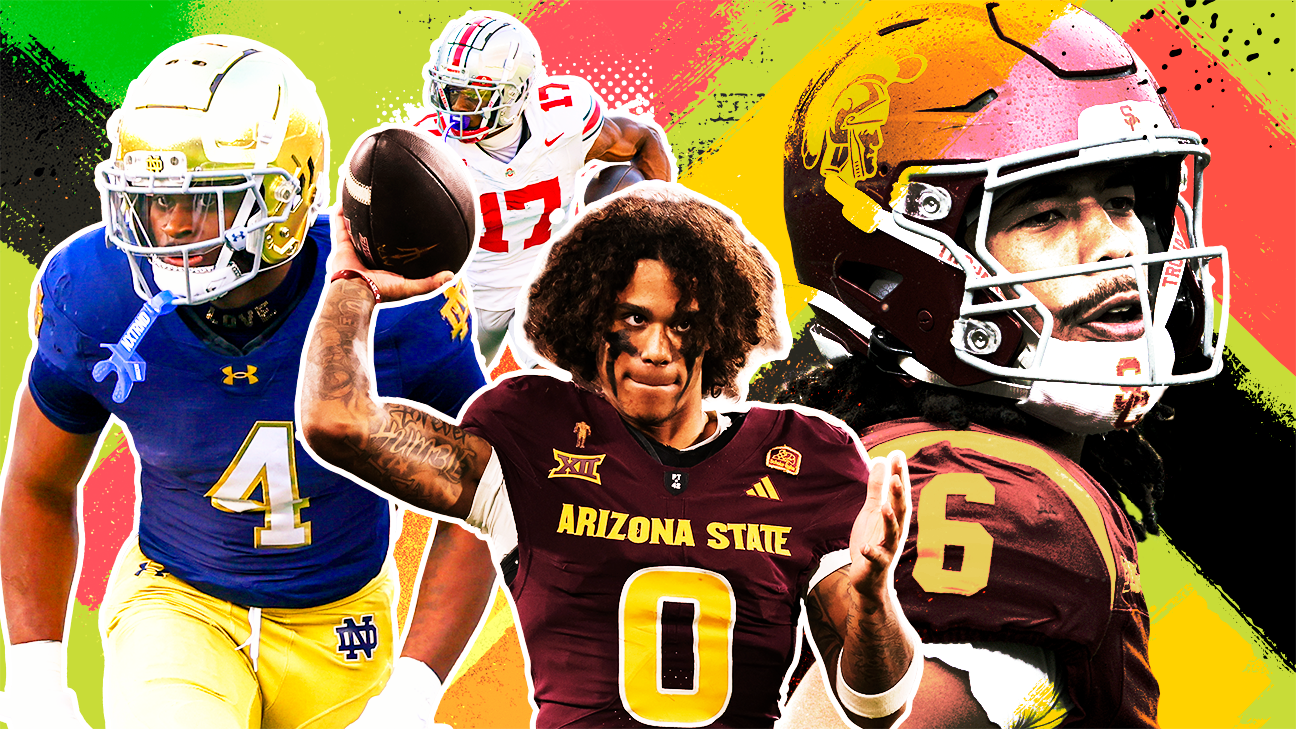
With the NFL scouting combine set to begin this week, attention is already turning toward how the early stages of the 2026 draft might unfold. Front offices, scouts and coaches are finalizing their evaluation plans, and the next several days in Indianapolis will provide verified measurements, on-field testing numbers and direct interaction with many of the top prospects in this class.
A pre-combine mock draft at this stage is less about locking in exact pairings between teams and players and more about outlining the landscape of the first round. Teams are still in the process of making major roster decisions. Free agency has not yet reshaped depth charts, and pro days, private workouts and medical rechecks all remain ahead on the calendar. Even so, a broad picture is emerging: franchises with long-term questions at quarterback are expected to study that position closely; others will prioritize edge rushers and offensive tackles, which remain premium spots in roster construction.
In addition, clubs drafting near the top of the first round often seek impact defenders who can change the direction of a game, whether as pass-rushers, versatile defensive backs or off-ball linebackers with range and coverage skills. On offense, the continued emphasis on explosive plays suggests that wide receivers and dynamic tight ends will again draw significant interest in Round 1, especially from teams that have established quarterbacks but need more playmaking options.
The combine will help separate tightly grouped prospects at multiple positions. Timed speed, agility drills and position-specific workouts provide context to the game tape that evaluators have studied throughout the college season. Interviews and psychological testing will also play a role as teams attempt to gauge maturity, leadership and capacity to handle NFL responsibilities. Medical evaluations are another crucial piece, often determining how comfortable teams feel about investing a first-round selection in a player.
Because the draft order, team needs and prospect rankings will continue to evolve between now and April, any first-round projection in late February should be viewed as a snapshot. It reflects how players are currently perceived based on college performance and early scouting reports, before the influence of combine results and subsequent workouts. Some prospects will rise as they showcase athleticism or versatility, while others may slide if concerns emerge.
As the week unfolds, the performances in Indianapolis are likely to shift opinions in draft rooms across the league. Quarterbacks can build momentum with sharp throwing sessions and strong interview showings. Linemen can reinforce or challenge expectations with their strength and movement skills. Skill-position players will have the opportunity to validate their big-play reputations with measurable speed and explosion.
The 2026 draft class will ultimately be judged over years, not months, but the pre-combine period is an important milestone. It frames the early conversation, highlights which positions might dominate Round 1 and sets the stage for the adjustments that follow once complete testing data and deeper evaluations are in hand. As teams refine their boards, this initial look at the first round offers a starting point for understanding how organizations around the NFL may approach one of the most important talent-acquisition events on the calendar.