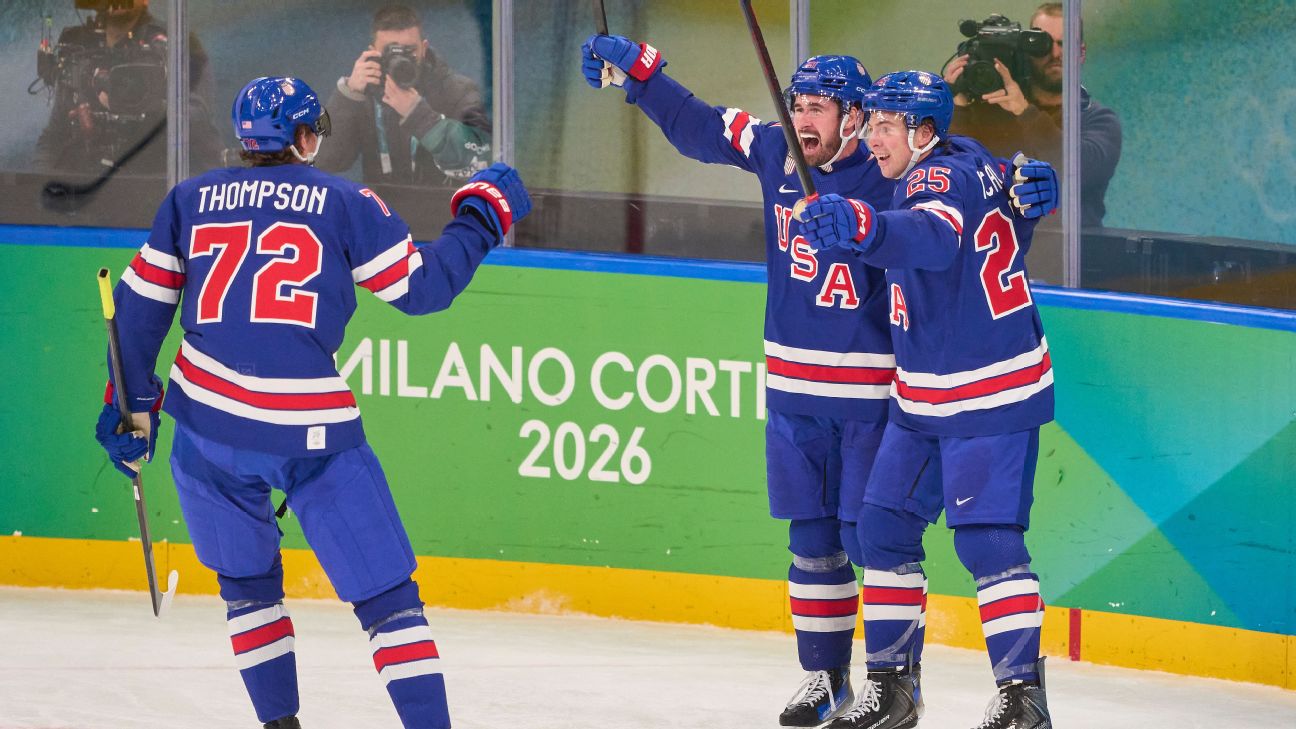
With the medals awarded at the 2026 Winter Olympics, attention across the hockey world quickly returns to the NHL and the race for the Stanley Cup playoffs. The league now enters its post-Olympic stretch, a condensed and demanding portion of the schedule in which games often carry heightened intensity and direct implications for the standings.
Teams that sent key players to the Olympics must balance the excitement and confidence gained on the international stage with the realities of fatigue, travel, and reintegration into NHL systems. Coaching staffs are tasked with managing minutes, monitoring recovery, and adjusting line combinations as Olympic participants rejoin teammates who have been practicing or resting during the break.
For clubs holding a firm position near the top of the standings, the focus is on maintaining consistency and securing favorable playoff seeding. These teams typically aim to refine special-teams play, solidify defensive structures, and preserve the health of core players without losing competitive sharpness. Strong depth can be a crucial asset, as coaches may slightly reduce workloads for star skaters and goaltenders returning from international duty.
For those in the middle of the table, the post-Olympic segment often defines their season. A strong run can elevate a team from the bubble into a comfortable playoff spot, while a brief slump may allow rivals to overtake them. Front offices in this tier monitor performance closely, weighing short-term urgency against longer-term development plans and contract considerations. The coming weeks can influence decisions about lineups, prospect usage, and off-ice planning.
Clubs on the outside of the playoff picture face a different type of pressure. Some will still view the remaining schedule as an opportunity to climb back into contention, relying on a hot goaltender, improved health, or emerging young talent. Others may gradually shift emphasis toward evaluation, giving increased responsibility to younger players, experimenting with new line pairings and defensive pairings, and assessing which elements of the current roster can form the foundation for future contention.
Across the league, the schedule density after the Olympic break can play a significant role. Teams may encounter stretches of games on consecutive nights or multiple contests in a short span, testing roster depth and conditioning. Travel demands remain a factor, particularly for clubs that had several players competing in different time zones during the Olympic tournament. How quickly those players readjust to NHL pace and structure can influence results in the closely contested standings.
The goaltending position often becomes a central storyline in this phase. Some teams may lean heavily on a clear No. 1 goaltender to stabilize their playoff push, while others might adopt a tandem approach to manage fatigue and maintain sharpness. Coaches must decide whether to ride a hot hand or rotate more frequently, especially if their starter carried a heavy load at the Olympics.
Discipline and special teams frequently separate contenders from those that fall short. As the games tighten and scoring chances become harder to generate, power-play and penalty-kill efficiency can swing outcomes. Clubs aiming to solidify playoff status will look to minimize penalties and capitalize on limited opportunities, while teams chasing the pack often need improvement in these areas to close the gap.
Fans can expect an increase in playoff-style atmospheres well before the postseason officially begins. Divisional matchups, in particular, can function as four-point games, where regulation wins not only provide two points but also deny a direct rival any ground in the standings. Late-season injuries, returns from long-term absences, and the emergence of depth players stepping into larger roles will all help determine the final playoff picture.
As the league moves deeper into this decisive stretch, every point takes on added significance. While the Olympic tournament has concluded, many of the same stars who shone on the international stage will now attempt to translate that performance into NHL success. The coming weeks will clarify which teams convert that momentum into a playoff berth and which turn their focus to building for the seasons ahead.