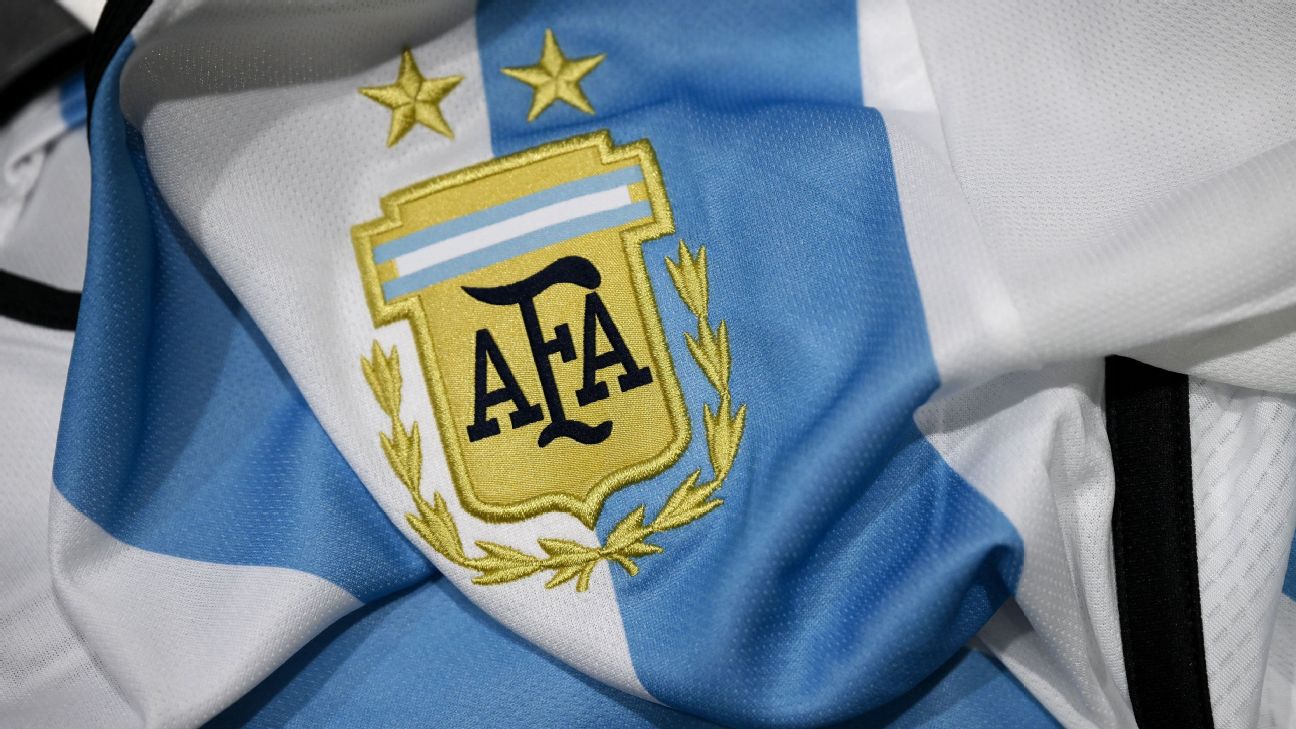
Professional football clubs across Argentina have announced a coordinated strike scheduled for March 5-8 in response to what they describe as judicial persecution of Argentine Football Association (AFA) president Claudio Tapia. The decision reflects growing tension between elements of the country’s football structure and parts of the judicial system, and it is set to disrupt the domestic football calendar during those dates.
According to the announcement, clubs have agreed to suspend their participation in official competitions over the designated four-day period. The action is framed as a protest against legal measures affecting Tapia, including a travel-related restriction, which club officials and football leaders view as an overreach into the governance of the sport. They argue that these measures interfere with the independence of football institutions and undermine the normal functioning of the AFA.
The planned strike is expected to affect professional fixtures across Argentina’s top divisions, with matches scheduled during that window likely to be postponed or rescheduled. Club directors and league officials are preparing contingency plans for the domestic calendar, but details on revised dates and formats have not yet been made public. The move also raises questions about logistical arrangements, including stadium operations, security planning, and broadcast commitments, all of which are typically coordinated well in advance.
Supporters and stakeholders throughout Argentine football are now awaiting further clarification on how the pause in competition will be implemented. The strike is intended to send a unified message from the professional game’s institutions, signaling collective concern over the current legal proceedings involving Tapia. Club representatives have emphasized that the action is directed at defending what they see as the autonomy of the sport’s governing structures rather than targeting any single political or judicial figure.
As the March 5 start date approaches, the situation remains fluid. Authorities within Argentine football are expected to continue internal discussions while monitoring any legal or administrative developments related to Tapia’s case. The outcome of those developments, along with any potential dialogue between football leaders and judicial officials, is likely to shape whether the announced strike proceeds as planned or if modifications are made to the scope and duration of the protest.