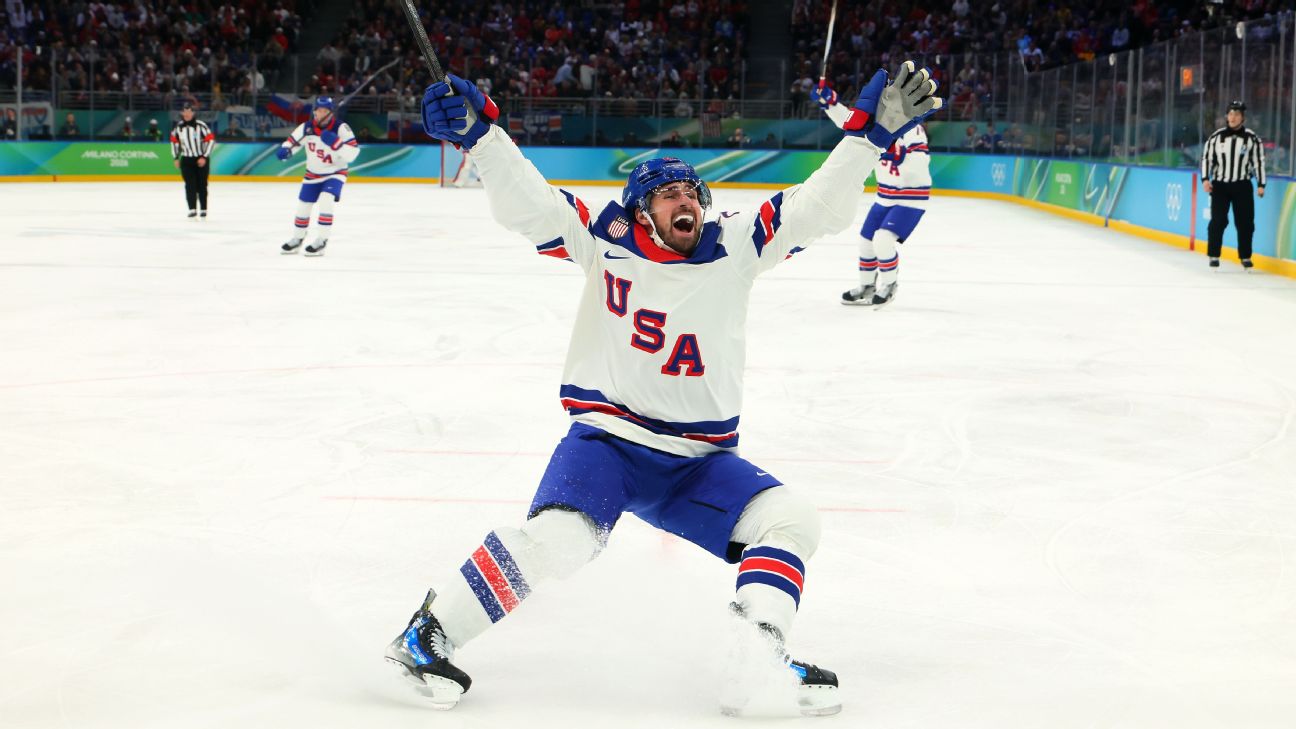
For NHL players, receiving the call to represent their country at the 2026 Olympic men’s hockey tournament was a career milestone. Skating on international ice in national colors added a different kind of pressure than the regular NHL grind. For some, the experience will be remembered for podium finishes and standout performances. For others, it will be defined by missed opportunities, tough losses and the sense that more was possible.
Across the league, those who participated balanced pride in earning selection with the reality of varying team outcomes. Veterans approached the tournament with an understanding of how rare these chances can be, while younger players used it as a benchmark to measure themselves against the world’s best. Some players were able to translate their NHL form directly to the Olympic stage, contributing key goals, defensive plays or goaltending performances. Others found that a shorter tournament, unfamiliar linemates and different systems made it harder to replicate their usual impact.
Players from contending hockey nations faced particularly intense expectations. National programs with deep talent pools had difficult choices to make, leaving several established NHL names off final rosters. Those who made it were expected to produce immediately, and when results did not match pre-tournament projections, scrutiny followed quickly. Even strong individual efforts could feel overshadowed when teams fell short of advancement targets or medal hopes.
For athletes on emerging or less heralded national teams, simply qualifying and competing on this stage carried its own significance. Some NHL skaters in these programs took on expanded roles, logging heavy minutes and helping their countries remain competitive against deeper opponents. In many cases, those performances will be viewed positively regardless of final standings, as they contribute to long-term growth of the sport in their home nations.
When players return to their NHL clubs, the emotional contrast will be noticeable. Medal winners and those coming off successful runs are likely to carry momentum and confidence back into the league schedule. Others will need to regroup quickly after physically demanding games and emotionally draining exits. Coaching staffs will manage minutes and roles with an eye on fatigue, travel and the quick shift from international systems back to team-specific structures.
Despite the range of results, the shared experience of representing one’s country remains a unifying theme. Every participant met a high standard simply by being selected from a global pool of professionals. Some leave with medals, others with disappointment, but all with a clearer sense of how their skills translate against the highest level of international competition. Those lessons, both positive and negative, will shape how these NHL players approach the remainder of the season and future opportunities on the world stage.
In the end, the 2026 Olympic men’s hockey tournament served as a snapshot of the league’s global influence. NHL players were central figures for their national teams, and their time in the international spotlight produced a mix of triumphs and frustrations. For fans, it offered a different lens through which to watch familiar names. For the players, it was a reminder that wearing a national jersey carries a unique weight, one that will linger long after they return to their regular roles in the NHL.