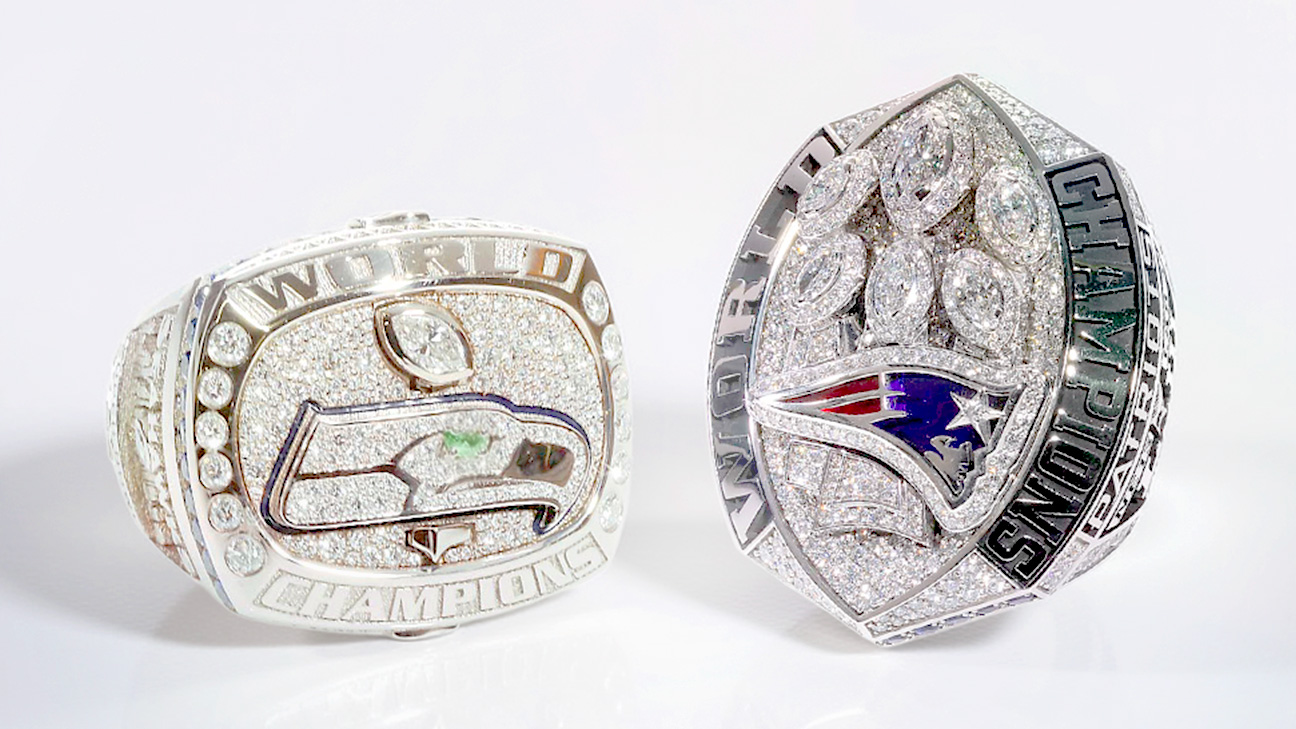
Super Bowl championship rings represent more than victory—they capture the legacy of teams, the craftsmanship of design, and the stories behind each season’s triumph. Since Super Bowl I in 1966, these rings have evolved in size, intricacy, and symbolism, reflecting the changing face of the NFL and the growing importance of the championship game.
The first Super Bowl ring, awarded to the Green Bay Packers for their victory in Super Bowl I, was a relatively modest design. Quarterback Bart Starr, who led his team under the direction of coach Vince Lombardi, received a white gold ring topped with a single, one-carat diamond. The design was the result of collaboration between Lombardi and players Willie Davis and Bob Skoronski. According to Starr’s wife, Cherry, he casually brought the ring home one day after picking it up at the team’s office. While impactful in meaning, the ring was plain compared to future designs.
In contrast, the ring commemorating the Packers’ Super Bowl II win featured more elaborate detailing, including three diamonds and colored stones like emeralds, rubies, and sapphires. Cherry Starr recalled a moment of alarm years later when told that her husband’s Super Bowl II ring was being offered on eBay for a high sum. Upon checking their safe, Cherry confirmed the original was secure; the ring in question turned out to be a duplicate. To protect the legacy, the Starr family eventually donated the rings to the Packers Hall of Fame during Bart’s final visit to Lambeau Field in 2017.
Comparing the earliest rings to recent designs highlights the shifts in style and value. For instance, the New England Patriots’ 2018 championship ring featured an impressive total of 9.85 carats, significantly eclipsing the simpler design of the original Packers ring. These rings now serve not just as trophies but as elaborate tributes to each franchise’s history and achievement.
Each Super Bowl ring tells a unique story—reflecting not only the outcome of a season but also the personalities, traditions, and innovations of the teams and players who earn them over time.