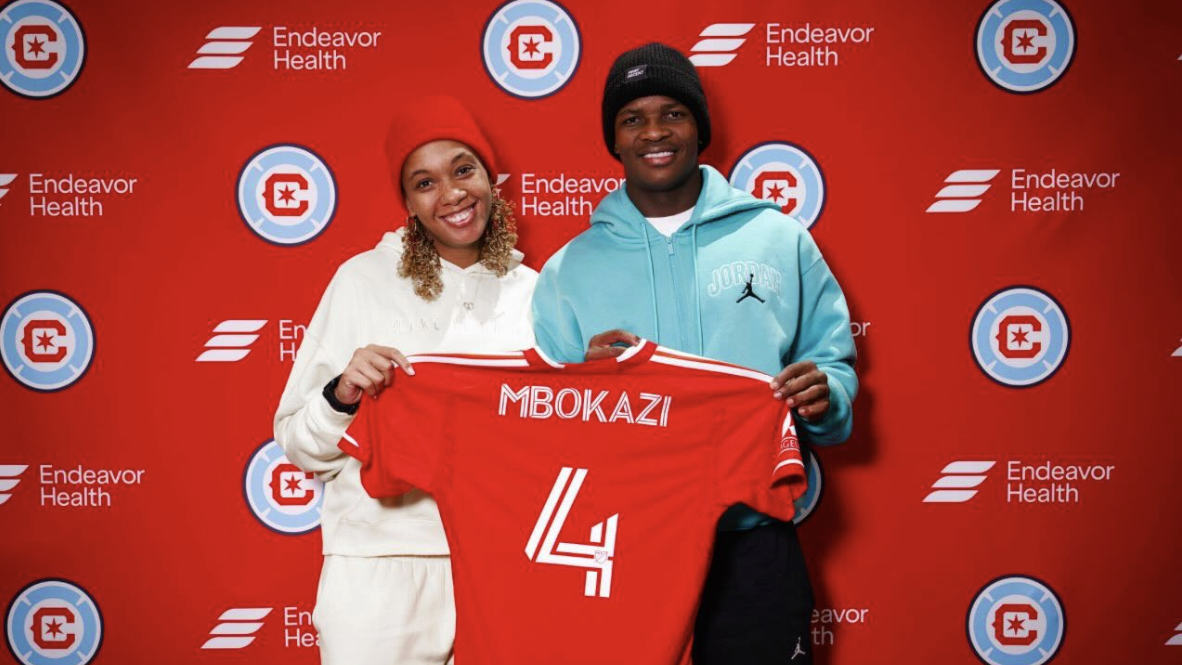
Football agent Basia Michaels has publicly responded to comments made about her by South Africa head coach Hugo Broos, saying his words undermined the work she has done in the game. Michaels, who represents midfielder Sphephelo Sithole Mbokazi, was drawn into the debate after Broos expressed dissatisfaction with the player’s club situation and referred to her in a dismissive manner.
Broos described Michaels as a “nice little woman who is his agent and thinks she knows football” while voicing frustration over Mbokazi’s choice of club. The remark placed Michaels at the centre of a wider discussion about respect for agents, professionalism in public statements, and the relationships between national team coaches, players, and their representatives.
Michaels has indicated that she feels Broos’s characterisation of her was not only personal but also demeaning to her professional standing. In her view, the phrasing suggested that her knowledge of the sport and her capacity to manage a player’s career were being questioned because of how she was perceived rather than on the basis of her record or expertise. She believes the description “trampled on the work” she has put into building a career in football representation.
The situation arose in the context of Broos’s dissatisfaction with the trajectory of Mbokazi’s club career. As national team coach, Broos has on several occasions underlined his belief that players should compete at the highest possible level to maintain or improve their standing in the Bafana Bafana squad. When Mbokazi opted for a club move that Broos considered less than ideal for the player’s development and national team prospects, the coach voiced his concerns and, in doing so, directed criticism at the decision-making behind the deal.
Michaels, however, maintains that the choices made around her client’s club future were taken with his long-term career in mind, taking into account multiple factors such as playing opportunities, environment, and professional stability. She regards public remarks that appear to belittle her input as unhelpful and as casting doubt on the legitimacy of her role.
The episode highlights ongoing tensions that can emerge between national team coaches and agents, particularly when opinions differ over what constitutes the best move for a player’s career. While coaches tend to prioritise their national team’s immediate competitive needs, agents often focus on broader career arcs, including contract security and development over time.
Michaels’s reaction also speaks to a broader conversation about how women in football, especially in off-field roles such as agency, administration, and analysis, are perceived and addressed in public forums. Her stance suggests that she sees Broos’s words as reinforcing stereotypes rather than engaging with her on equal professional terms.
No public indication has been given of any formal reconciliation or further private discussions between Broos and Michaels. The situation remains a talking point around Bafana Bafana, underlining the delicate balance between a coach’s right to comment on player decisions and the need to maintain respectful working relationships with those who manage players’ careers.