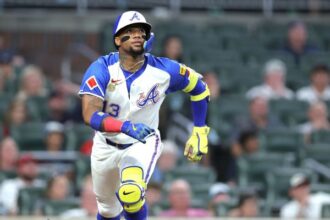
The conversation around first base in 2026 centers on a position that remains one of the most offense-driven spots on the diamond. Power, on-base ability and run production continue to define the role, but athleticism and defensive versatility are increasingly part of the evaluation. In assembling a look at the top first basemen this season, the emphasis falls on recent performance, projected growth and the impact each player has within his lineup and in the field.
Around the league, front offices now weigh much more than traditional counting stats when assessing first basemen. On-base percentage, quality of contact and plate discipline are critical pieces, as teams value hitters who can lengthen at-bats, avoid chasing pitches out of the zone and produce steady power without sacrificing consistency. Defensively, while first base is still viewed as a bat-first position, clubs are putting a premium on players who can handle complex infield positioning, make strong and accurate throws and convert difficult plays into outs.
One of the most interesting developments at the position is the emergence of younger players who arrived with reputations as complete hitters, not just sluggers. These first basemen bring a balance of power and contact, with swings designed to drive the ball to all fields rather than simply sell out for home runs. Their presence helps stabilize lineups, offering managers reliable production in the heart of the order over the long grind of the season.
Veteran first basemen still occupy a significant role, especially those who have demonstrated the ability to adjust as the league evolves. Pitchers continue to add velocity and refine breaking pitches, and the top players at first base have responded by improving their pitch recognition and refining their approaches with two strikes. Many of these established names are counted on as leaders in the clubhouse, setting daily standards for preparation and competing through the inevitable ups and downs of a 162-game schedule.
Defensively, the position remains a crucial anchor for infield play. The best first basemen display soft hands, good footwork around the bag and the agility to handle short hops and off-line throws. With shifting restrictions changing infield alignments in recent seasons, range and positioning at first base matter more than ever. Players who can move well laterally, understand hitters’ tendencies and communicate effectively with the rest of the infield can save runs over the course of a season.
One organization drawing particular attention at this position is Oakland, where a budding star at first base has become a central part of the team’s long-term plans. His development offers optimism for a club focused on building a new core. With his combination of power, plate discipline and improving defense, he has quickly become one of the most intriguing young players at the position and a focal point for fans tracking the next wave of talent.
Across Major League Baseball, the depth at first base underscores how much the position has evolved. Some players came up as corner infielders or outfielders and transitioned to first base to keep their bats in the lineup, while others have played there for most of their careers. The top performers tend to share a few common traits: the ability to control the strike zone, consistent hard contact, and a willingness to adapt both offensively and defensively.
As teams continue to seek every possible edge, first base remains an area where stars can separate themselves. The best at the position not only drive in runs but also set a tone for their clubs with their day-to-day reliability. Whether it is a rising young standout or a seasoned veteran, the 2026 season showcases a group of first basemen whose production and presence will be central to their teams’ success.