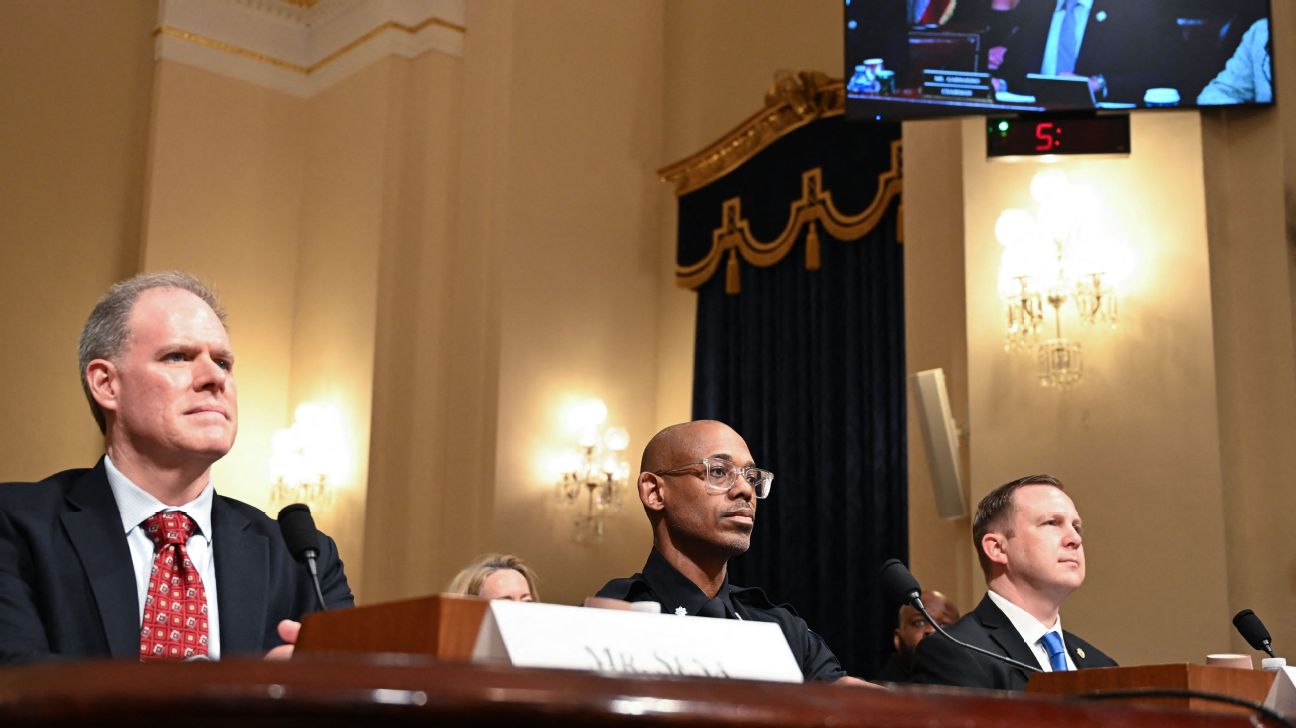
Local officials from cities set to host matches at the upcoming World Cup told members of Congress on Tuesday that significant security and funding gaps remain with a little more than 100 days before kickoff. Testifying on Capitol Hill, these representatives said that current federal support and coordination efforts are not keeping pace with the scale and urgency of the event, raising concerns about whether venues and surrounding communities will be fully prepared.
City leaders described a complex security environment involving large stadiums, public transit hubs, fan zones, and other gathering points that will require extensive law enforcement, emergency services, and crowd management planning. They argued that while local agencies are accustomed to handling major sporting events, the size and international profile of the World Cup create demands that go far beyond typical operations.
According to the officials, one major challenge is the level and timing of federal funding. They said that local budgets are already stretched by existing public safety responsibilities and that late or insufficient federal assistance makes it difficult to hire additional personnel, invest in specialized training, and acquire needed equipment. The compressed timeline of just over 100 days, they noted, leaves little room for delays or missteps in planning.
Coordination among multiple federal, state, and local agencies was also highlighted as a concern. Host city representatives pointed to overlapping jurisdictions and evolving security guidelines as factors that can slow decision-making and complicate the development of clear protocols for game days. They emphasized the need for faster information sharing, unified planning structures, and consistent guidance so that law enforcement and emergency responders can operate smoothly together.
The officials stressed that their warnings are not meant to cast doubt on the ability to stage the tournament but to underscore what they regard as urgent gaps that must be addressed. They urged Congress and federal agencies to move quickly to clarify funding commitments, streamline communication, and support local preparations. With the tournament approaching rapidly, they said every week now matters in ensuring that stadiums, transport systems, and public spaces can host large numbers of supporters in a safe and organized environment.
Members of Congress listened to the testimony as part of ongoing oversight of World Cup planning and federal support for host communities. Lawmakers did not immediately announce any new measures, but the hearing placed a spotlight on the balance of responsibilities between national authorities and local governments as the country moves into the final stages of readiness for one of the world’s largest sporting events.